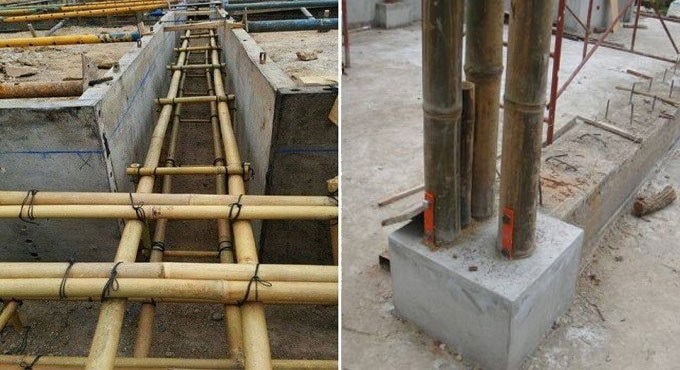

In Ghana, there’s growing interest in green buildings—structures designed to be energy-efficient and environmentally friendly. This movement isn’t just about saving the environment; it’s also an attractive investment opportunity.
In a 2022 study, researchers Kofi Agyekum, Chris Goodier, and James Anthony Oppon explored what motivates people to fund these eco-friendly buildings in Ghana, revealing several factors that make green building projects financially and socially appealing.
How the Study Was Done
To get a clear picture, the researchers took a two-part approach. They started by surveying people in Ghana’s construction industry, asking about their thoughts on funding green building projects.
They followed up with interviews, diving deeper into the survey results with a group of experts from the Ghana Green Building Council. This way, they got a well-rounded view of what drives investment in green buildings in Ghana.
What’s Making Green Buildings Attractive in Ghana
The study revealed five main reasons why investors and builders are keen on green projects. Here’s a breakdown of these factors:
1. High Return on Investment (ROI)
Investors are drawn to green buildings because they offer long-term financial benefits. Green buildings tend to have lower energy costs, require less maintenance, and can often be rented or sold for a premium.
This means that people who invest in these buildings are likely to see good returns, making it a smart financial choice.
2. New Business Opportunities
Green buildings are becoming a popular trend, and this shift has created a new market in Ghana’s construction industry. Being involved in sustainable projects allows developers and investors to stand out, attracting clients who care about the environment. This growing demand makes green building a promising business opportunity.
3. Ethical Investment
With people becoming more aware of environmental and social issues, many investors want their money to support projects that align with their values.
Green buildings check these boxes, allowing investors to feel good about backing projects that contribute to a cleaner, more sustainable world. In Ghana, ethical investments are becoming more common as people prioritize the planet alongside profits.
4. Conservation of Natural Resources
Green buildings use fewer resources by design—they save energy, conserve water, and reduce waste. In Ghana, where environmental challenges like deforestation and water shortages are pressing issues, conserving resources is crucial.
For many investors, the chance to support a project that helps address these issues is a powerful motivation.
5. Government Policies and Regulations
As Ghana’s government introduces more rules and standards for green building, the market for eco-friendly construction projects is expected to expand.
These regulations provide a sense of stability for investors, encouraging them to fund green projects knowing they are aligned with government policies. The clearer the policies, the more willing people are to invest.
What This Means for Investors, Builders, and Homeowners
This study shows that green buildings have potential not only for the environment but also for the wallets of investors and developers. Financial institutions, for instance, could start to offer more mortgage and financing options for green buildings, given the lower risks and higher returns.
Builders can also use this information to stand out by offering green, sustainable homes and offices, attracting a new wave of clients interested in sustainability.
There are, of course, some challenges. The study mainly focused on Ghana’s two largest cities, Accra and Kumasi, so it may not fully reflect the interests of investors in other parts of the country. Additionally, the data was collected during the COVID-19 pandemic, which may have limited the feedback the researchers received.
Overcoming Barriers to Green Building Growth
To make green buildings even more appealing, the study suggests that government support could play a huge role. By offering tax breaks or subsidies for green projects, the government could make it easier for more people to get involved in sustainable construction.
Additionally, raising awareness about the financial and social benefits of green buildings could help shift public interest and demand in favour of more eco-friendly homes and offices.
Final Thoughts
This study sheds light on what drives investment in green buildings in Ghana. People are motivated by a combination of financial benefits, ethical values, and the chance to protect natural resources, all while complying with emerging policies.
As Ghana continues to focus on sustainable development, green buildings could play a major role in the country’s future. And for those considering where to invest, going green might just be the smartest choice yet.